The record
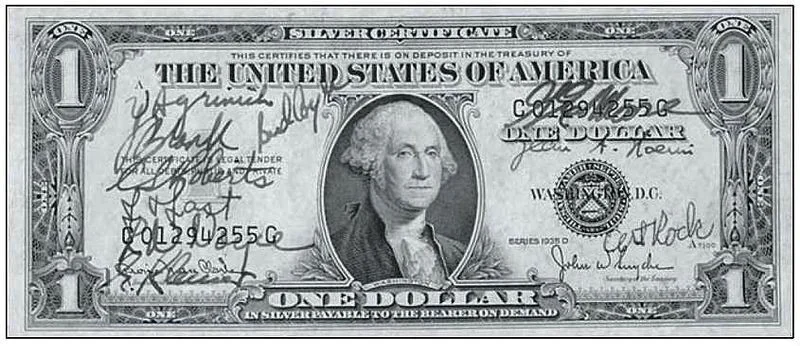
On 19 September 1957, eight engineers left Shockley Semiconductor Laboratory and incorporated Fairchild Semiconductor Corporation in Palo Alto. The departing group included Julius Blank, Victor Grinich, Jean Hoerni, Eugene Kleiner, Jay Last, Gordon Moore, Robert Noyce and Sheldon Roberts, later nicknamed the “traitorous eight” for leaving William Shockley's lab. According to the Computer History Museum's account of the founding, investor Arthur Rock helped the group raise $1.38 million in financing from Fairchild Camera and Instrument Corporation, and “a symbolic contract” was signed by the founders and their financial backers that same day. The museum's Silicon Engine timeline separately dates the resignation itself to a Shockley logbook entry of 18 September 1957, one day before the new company's contract was signed.
What the documents establish
Both museum accounts agree on the date, the eight names, and the sequence: a mass resignation from one employer followed within a day by financing and incorporation elsewhere. Neither account states the equity split among the eight founders or the exact terms Fairchild Camera and Instrument attached to its $1.38 million. The museum describes the amount as raised “from” the parent company rather than reproducing a term sheet or capitalization table, and no ownership percentages appear in either source. That distinction matters: retellings of Fairchild's founding often present it as an early documented cap table, but the archival record available here documents a financing relationship and a resignation sequence, not a share register.
The operating read
What is verifiable is still instructive. The founders moved from an employment dispute to an operating company within roughly a day, with financing arranged in advance rather than sought afterward, since the “symbolic contract” language implies the deal was largely settled before the walkout became public. That sequencing is worth noticing in any founder-departure story, though the record does not establish that it was deliberate strategy rather than circumstance. This is an editorial reading of what the documents show, not a claim either museum source makes about intent.
What to check before you decide
Before treating any startup's own founding story as a documented cap table, check the following against the underlying record rather than the narrative built on top of it.
- Does a cited “founding document” actually state ownership percentages, or only that financing was arranged?
- Is the resignation-to-incorporation timeline drawn from primary records, such as logbooks and contracts, or from a later retrospective account?
- Who holds the underlying documents, and can a specific claim be checked against the original rather than a summary of it?
Fairchild's 1957 founding is well documented as a sequence of events. It is not, on this record, a documented cap table, and a founder team building a similar equity story should not borrow one from a museum's timeline.
Sources & their limits
These are the existing record’s sources and retrieval dates, preserved from the archive. Source statements, historical events and editorial interpretation are distinct.
- Fairchild Semiconductor: The 60th Anniversary of a Silicon Valley Legend
Computer History Museum account naming the eight founders, the financing amount and source, and the 19 September 1957 contract signing.
- Silicon Engine: Silicon Comes to Silicon Valley
Museum timeline dating the Shockley logbook entry recording the founders' resignation.